


Introduction
You step out of bed, slide your feet into a pair of shoes, and you brace for that familiar morning ache. Then it does not come. That is the moment most people remember when they talk about cloud shoes for the first time. They describe walking on a cushion instead of pavement, and honestly, it is not just marketing talk.
Cloud shoes have become one of the biggest comfort footwear trends in recent years, and they show no sign of slowing down. People wear them for running errands, standing all day at work, or simply walking the dog without their feet screaming by lunchtime. But like any popular trend, On cloud shoes come with both fans and skeptics.
This article breaks down everything you actually need to know. You will learn what cloud shoes are, how they work, who benefits most from them, and where they fall short. By the end, you will know whether cloud shoes deserve a spot in your closet.
What Are Cloud Shoes Exactly?
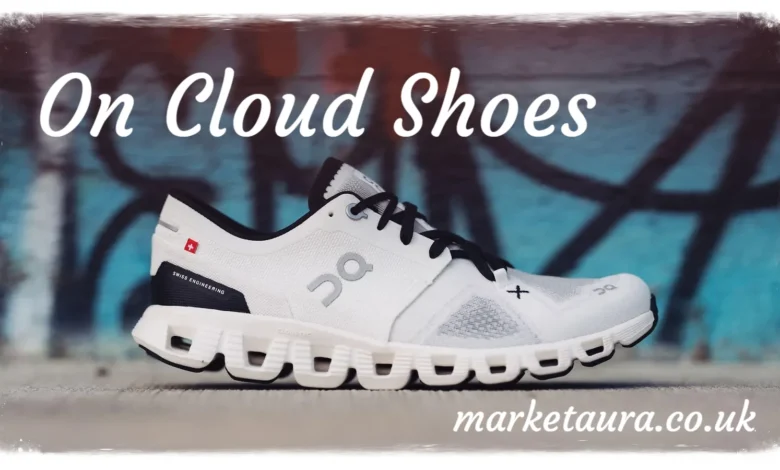
Cloud shoes are sneakers built around thick, lightweight cushioning that sits between your foot and the ground. The sole often uses a foam or pod based structure designed to absorb shock with every step you take. The result feels soft, springy, and noticeably different from a regular flat soled sneaker.
The term originally became popular because of the brand On, whose CloudTec technology uses individual cushioning pods under the foot. Over time, the phrase “On cloud shoes” grew into a broader category. Now it covers any shoe built with a similar goal: maximum comfort with minimal effort.
You will notice a few common traits across most cloud shoe styles.
- A thick midsole, often between 30mm and 40mm at the heel
- Lightweight foam or pod based cushioning
- A rocker shape that helps your foot roll forward naturally
- Breathable mesh or knit uppers
- A flexible, low resistance feel when you walk
I tried a pair myself last year after a friend kept insisting they changed her daily routine. The first impression was strange, almost like walking on a slightly bouncy trampoline. Within a week, that strangeness turned into something I genuinely looked forward to each morning.
How Cloud Shoes Actually Work
Cloud shoes rely on engineering, not just a cute nickname. Brands design the midsole using foam compounds that compress under pressure and then spring back into shape. This compression absorbs the shock your joints would normally take.
The Cushioning Pod System
Many On cloud shoes use small individual pods or chambers in the sole instead of one solid block of foam. These pods flex independently as your foot moves, which helps the shoe adapt to uneven ground. Your heel, arch, and toes each get supported in slightly different ways during a single stride.
The Rocker Sole Effect
A rocker sole curves gently from heel to toe. This curve nudges your foot to roll forward more naturally, which can reduce strain on your ankles and calves. People who stand for long shifts often say this rocking motion feels like a small push forward with every step.
Lightweight Materials
Despite the thick cushioning, most cloud shoes stay surprisingly light. Brands use foam blends like EVA, PEBA, or proprietary formulas that prioritize weight savings without sacrificing softness. A heavier shoe tires your legs faster, so weight matters more than people realize.
Who Benefits Most From Cloud Shoes
Not everyone needs the same kind of shoe, and On cloud shoes shine brightest for certain lifestyles. Here is a quick breakdown of who tends to love them.
- People on their feet all day. Nurses, teachers, retail workers, and servers often deal with sore arches by evening. Extra cushioning reduces that fatigue significantly.
- Casual walkers and travelers. If you walk long distances through airports or city streets, the soft landing helps your feet recover faster between days.
- Older adults managing joint discomfort. Lower impact on knees and hips makes daily movement feel less taxing.
- Beginner runners or walkers easing into fitness. Extra shock absorption can make those first few weeks of a new routine feel less punishing.
- Anyone recovering from minor foot strain. While not a medical treatment, the soft platform can ease pressure during recovery periods.
On the flip side, competitive runners chasing speed records sometimes find cloud shoes too soft for sprint work. The bounce that feels great on a slow jog can feel mushy when you need sharp, fast push off.
Cloud Shoes vs Regular Sneakers: What Changes?
People often ask how cloud shoes really compare to standard sneakers. The differences come down to three main areas: cushioning, weight, and stability.
Cushioning Depth
Regular sneakers usually have a midsole between 15mm and 25mm. On Cloud shoes push that number higher, sometimes reaching close to 40mm at the heel. That extra depth changes how your foot strikes the ground.
Stability and Support
Thicker cushioning can sometimes reduce ground contact feedback. Your foot feels less of the surface beneath it, which some people enjoy and others find disorienting at first. If you have ankle stability concerns, look for cloud shoes with a wider base or added side support.
Everyday Versatility
Standard sneakers often specialize in one purpose, like running or basketball. Cloud shoes tend to market themselves as do everything shoes, suitable for errands, light exercise, travel, and daily wear. That versatility is part of why they appeal to such a wide audience.

Common Concerns About Cloud Shoes
No trend is perfect, and cloud shoes attract a fair share of valid criticism. Addressing these concerns honestly helps you make a smarter decision.
Do cloud shoes wear out faster than regular shoes? Soft foam compresses over time, and heavy daily use can shorten its lifespan compared to firmer rubber soles. Most quality On cloud shoes still last six to twelve months of regular wear before cushioning noticeably flattens.
Are cloud shoes good for running? They work well for easy paced jogging and recovery runs. Serious speed training usually benefits from firmer, more responsive shoes instead.
Can cloud shoes cause balance issues? Some people feel less stable initially because of the soft, high stack sole. This feeling typically fades within a week or two as your body adjusts.
Are cloud shoes worth the price? Many cloud shoes sit in a mid to premium price range. If foot fatigue or joint discomfort affects your daily life, the comfort often justifies the cost.
How to Choose the Right Cloud Shoes for You
Picking the right pair matters more than just grabbing whichever color looks nice. Consider these factors before buying.
- Purpose first. Decide if you need them for walking, light running, work shifts, or travel.
- Width and fit. On Cloud shoes can run narrow in some brands, so check sizing charts carefully.
- Stack height comfort. Higher stacks feel softer but less stable. Lower stacks feel firmer but more grounded.
- Breathability. Mesh uppers help if you live somewhere warm or sweat easily during the day.
- Try before committing. If possible, walk around a store for several minutes rather than just standing still.
I personally learned the width lesson the hard way. My first pair felt slightly tight after two hours of wear, even though they fit fine in the store. Sizing up half a size solved that problem completely.
Tips to Make On Cloud Shoes Last Longer
Taking care of your On cloud shoes extends their comfort and lifespan. Try these simple habits.
- Rotate between two pairs if you wear them daily, giving the foam time to decompress.
- Avoid machine washing, since heat and agitation can break down foam structure faster.
- Clean the upper gently with a soft brush and mild soap.
- Store them somewhere dry, since moisture weakens foam over time.
- Replace them once the cushioning feels noticeably flatter than when new.
The Bigger Picture: Why Comfort Footwear Keeps Growing
Comfort focused footwear continues gaining popularity because lifestyles have shifted toward longer walking habits, remote work flexibility, and a stronger focus on wellness. People want shoes that support their bodies through busy days without sacrificing style. On Cloud shoes fit neatly into that demand, blending function with a sleek, modern look.
This shift also reflects a broader change in how people think about health. Foot pain and joint strain are no longer dismissed as something you simply tolerate. More people now seek solutions that prevent discomfort before it starts, and supportive footwear plays a real role in that prevention.
Final Thoughts On Cloud Shoes
On Cloud shoes offer a genuinely different walking experience compared to traditional sneakers. The soft, responsive cushioning helps reduce daily fatigue, especially if you spend hours on your feet. They are not perfect for every activity, and serious runners may want a firmer alternative for speed work, but for everyday comfort, they hold up well.
If your feet ache by the end of most days, trying a pair On cloud shoes could be worth the investment. Pay attention to fit, width, and your specific activity needs before buying. Comfort is personal, so what works wonders for one person might feel different for you.
Have you tried On cloud shoes yet? If you have a favorite pair or a tip that helped you find the right fit, share it with someone who might need the same relief you found.
Frequently Asked Questions
What makes cloud shoes different from regular sneakers? Cloud shoes use thicker, softer cushioning and a rocker sole shape designed to absorb shock and encourage a smoother stride.
Are cloud shoes good for standing all day at work? Yes, many people who stand for long shifts find cloud shoes reduce foot and arch fatigue significantly.
Do cloud shoes run true to size? Not always. Many brands run slightly narrow, so checking width and trying them on is recommended.
Can you wear cloud shoes for running? They suit easy runs and recovery days well. Faster training sessions usually benefit from firmer, more responsive shoes.
How long do cloud shoes typically last? With regular wear, most pairs maintain solid cushioning for six to twelve months before noticeably flattening.
Are cloud shoes good for people with knee pain? The extra cushioning can ease impact on joints, though anyone with ongoing pain should also consult a podiatrist.
Why do cloud shoes feel bouncy? The foam and pod structure compresses under pressure and springs back, creating that bouncy, cloud like sensation.
Are cloud shoes suitable for wide feet? Some models offer wide fit options, so checking the brand’s specific sizing guide helps avoid discomfort.
also read: marketaura.co.uk
email: johanharwen@314gmail.com
Author Name: Sarah Mitchell
About the Author : Sarah Mitchell is a footwear and lifestyle writer who has spent over six years covering comfort focused fashion and wellness trends. She enjoys testing new sneaker releases firsthand and sharing practical advice that helps readers make confident buying decisions.