

Introduction
Finding effective marketing ideas business growth does not always require a large budget. For many small businesses, the best results come from combining a strong online presence, useful content, consistent social media activity, customer referrals, and targeted local marketing.
The right strategy depends on your target audience, industry, location, budget, and business goals. A local restaurant may benefit more from Google Maps visibility and Instagram than from a national advertising campaign. A professional service provider may get better results from educational blog posts, customer reviews, email marketing, and referrals.
The key is not to use every marketing channel at once. Instead, choose a few that match how your customers discover and evaluate businesses, then measure the results consistently.
Here are 15 practical marketing strategies you can adapt to almost any small business.
What Makes a Marketing Strategy Work?

Effective marketing connects the right offer with the right audience through the right channel at the right time.
Before spending money, answer three questions:
- Who is your target audience?
- What problem does your business solve?
- Where do potential customers look for solutions?
Your answers should guide your marketing channels, messaging, content strategy, and marketing budget.
A useful approach is to start with one or two high potential channels, establish a repeatable process, and expand after you understand your marketing performance.
1. Optimize Your Google Business Profile
For businesses that serve a specific location, Google Business Profile can be one of the most valuable free marketing tools.
A complete profile can help customers discover your business through Google Search and Google Maps. Keep your business information accurate and regularly update important details.
Focus on:
- Accurate business name, address, phone number, and website
- Correct business categories
- Current photographs
- Business hours
- Helpful business descriptions
- Customer reviews and responses
- Relevant posts and updates
For local businesses, this can strengthen visibility during local searches and help potential customers decide whether to contact you.
2. Build a Simple Website That Converts
Your website does not need dozens of pages to support your marketing. It needs to clearly explain what you offer and make the next step easy.
At minimum, include:
- A clear homepage
- Service or product pages
- About page
- Contact information
- Strong calls to action
- Customer reviews or testimonials
- Location information when relevant
Make sure the website works well on mobile devices and loads quickly. Your website should support your other marketing channels rather than simply exist as an online brochure.
3. Use Local SEO to Capture High Intent Customers
Local SEO helps businesses appear when people search for products and services in a specific area.
For example, instead of targeting a broad phrase such as “plumber,” a local company could create useful pages around searches related to plumbing services in its service area.
Useful local SEO practices include:
- Creating location specific service pages
- Keeping business information consistent
- Earning legitimate customer reviews
- Publishing localized content
- Building relevant local links
- Optimizing your Google Business Profile
The goal is to make it easy for both search engines and customers to understand where you operate and what you provide.
4. Choose Social Media Platforms Strategically
You do not need to maintain an account on every social media platform.
Choose platforms based on where your customers actually spend time. Facebook can be useful for community engagement, while Instagram can work particularly well for visual products, services, and local brands.
Your social media marketing can include:
- Educational tips
- Product demonstrations
- Customer stories
- Testimonials
- Behind the scenes content
- Local events
- Short videos
- Frequently asked questions
Consistency usually matters more than publishing a large amount of content occasionally.
5. Create Content That Answers Customer Questions

Content marketing works best when it helps people solve real problems rather than simply promoting a business.
Create blog posts, guides, videos, checklists, or comparison pages based on questions your customers regularly ask.
For example, a landscaping company could publish:
- How to prepare a lawn for summer
- How often should you water new grass?
- What plants work best in a small garden?
- Common lawn care mistakes to avoid
This type of content can demonstrate expertise while creating additional opportunities to appear in search results.
6. Start a Business Blog
A business blog can support long term SEO and customer education.
Instead of publishing random articles, build content around topics connected to your products, services, and customers.
A strong article should:
- Answer a specific question
- Provide practical information
- Use clear headings
- Include relevant examples
- Link to useful pages on your website
- Give readers a logical next step
Focus on helpfulness rather than publishing simply to increase the number of pages on your website.
7. Use Short Form Video
Short form video gives small businesses another way to demonstrate expertise and personality.
You can turn existing content into videos without creating everything from scratch. A blog post can become several short videos, while customer questions can become quick educational clips.
Ideas include:
- Product demonstrations
- Before and after examples
- Quick tutorials
- Frequently asked questions
- Customer stories
- Behind the scenes footage
- Industry tips
Video can also make a business feel more approachable, particularly when customers want to know who they will be buying from.
8. Build an Email Newsletter
Email marketing remains useful because it gives businesses a direct communication channel with people who have already shown interest.
An effective email newsletter does not need to be complicated. Send useful information consistently and give subscribers a reason to remain engaged.
You could include:
- Helpful tips
- New products
- Company updates
- Exclusive offers
- Seasonal information
- Educational content
- Event announcements
Every email should have a clear call to action when there is a specific action you want readers to take.
9. Create a Referral Program
Your existing customers can become one of your most valuable marketing channels.
A simple referral program can reward customers when someone they recommend becomes a customer. The reward might be a discount, account credit, free service, or another appropriate incentive.
Keep the process straightforward. Customers should understand:
- Who qualifies
- What they receive
- How to make a referral
- When the reward is provided
Referral marketing works especially well when your business already provides a strong customer experience.
10. Partner With Complementary Businesses
Business partnerships can increase audience reach without requiring a large advertising budget.
Look for businesses that serve a similar audience without directly competing with you.
For example:
- A wedding photographer can partner with a wedding venue.
- A fitness studio can collaborate with a nutrition professional.
- A home improvement company can work with complementary trades.
- A local café can partner with nearby retailers.
Joint promotions, educational events, giveaways, and cross referrals can benefit both businesses.
11. Participate in Local and Community Events
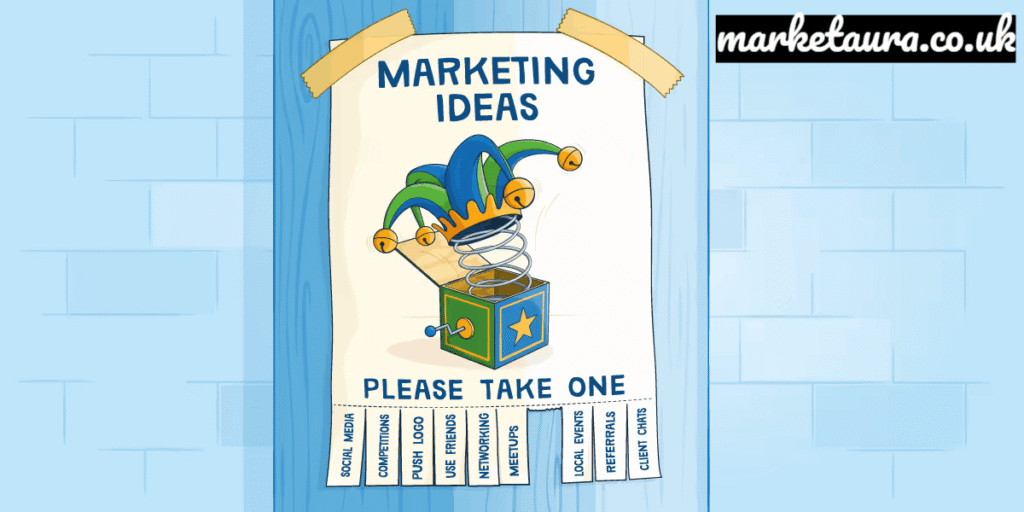
Community marketing can help businesses build relationships beyond digital channels.
Consider attending or supporting relevant local events, charity activities, workshops, markets, or industry gatherings.
You might:
- Sponsor an appropriate event
- Set up a booth
- Provide a useful giveaway
- Offer a demonstration
- Volunteer as a business team
- Create content around the event
The objective should not simply be immediate sales. Local involvement can help strengthen trust and brand visibility over time.
12. Repurpose Content Across Marketing Channels
Content repurposing is one of the easiest low cost marketing ideas for small businesses.
One useful article can become:
- Several social media posts
- A short video
- An email newsletter
- A checklist
- A carousel graphic
- A customer FAQ
This approach saves production time and allows your strongest ideas to reach people through multiple marketing channels.
13. Test Small Paid Advertising Campaigns
Paid advertising can accelerate customer acquisition, but small businesses should avoid spending heavily before understanding what works.
Start with a defined goal, audience, budget, and landing page.
Potential options include:
- Google Ads
- Social media advertising
- Local search advertising
- Retargeting campaigns
Track leads and sales rather than focusing only on impressions or clicks. A campaign that receives many clicks but produces few customers may need a different offer, audience, landing page, or message.
14. Use Customer Reviews to Strengthen Trust
Customer reviews can influence how people evaluate an unfamiliar business.
Ask satisfied customers for honest feedback and make the process convenient. Respond professionally to both positive and negative reviews.
Never manufacture reviews or pressure customers into providing misleading feedback.
You can also use genuine testimonials throughout your website and marketing materials, with appropriate customer permission.
15. Measure Results and Improve Your Strategy
The best marketing strategy is one you can measure and improve.
Depending on your business model, useful metrics can include:
| Metric | What It Tells You |
|---|---|
| Website traffic | How many people visit your site |
| Leads | How many potential customers contact you |
| Conversion rate | How effectively visitors become leads or customers |
| Customer acquisition cost | How much you spend to gain a customer |
| Email engagement | How subscribers respond to campaigns |
| Referral customers | How many customers come through recommendations |
| Return on investment | Whether marketing produces worthwhile financial results |
Do not judge every channel by the same metric. A brand awareness campaign and a lead generation campaign have different objectives.
Review your results regularly and put more effort into channels that produce meaningful business outcomes.
Which Marketing Ideas Are Best for a Small Budget?
The best small business marketing on a budget usually starts with activities that use existing resources rather than requiring large advertising expenses.
Good starting points include:
- Google Business Profile optimization
- Local SEO
- Customer referrals
- Email marketing
- Social media content
- Educational blog posts
- Business partnerships
- Community involvement
- Content repurposing
- Customer reviews
These affordable marketing ideas can be particularly useful when a business is still learning which channels generate customers.
How to Create a Simple Marketing Plan
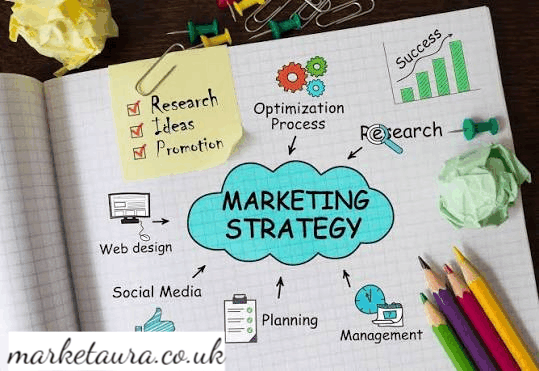
You do not need a complicated marketing strategy to get started.
Step 1: Define Your Goal
Choose one primary goal, such as increasing leads, generating sales, attracting local customers, or building brand awareness.
Step 2: Identify Your Audience
Understand who your ideal customers are, what they need, and how they search for solutions.
Step 3: Select Two or Three Channels
Choose marketing channels that align with customer behavior rather than trying to use everything.
Step 4: Create Useful Content
Answer customer questions and demonstrate why your business is worth considering.
Step 5: Track Results
Monitor leads, sales, conversions, referrals, and other meaningful metrics.
Step 6: Improve What Works
Stop wasting resources on activities that consistently fail to produce useful results and invest more in proven opportunities.
Frequently Asked Questions
What are unique marketing ideas business owners can try?
Unique marketing ideas can include community workshops, collaborative events, customer generated content, local partnerships, educational challenges, referral campaigns, and creative demonstrations. The strongest idea is usually one that fits your audience and gives people a reason to interact with your business.
What are some creative marketing ideas business owners can use?
Creative options include short form videos, local collaborations, behind the scenes content, customer stories, social media giveaways, interactive workshops, localized guides, and content repurposing. Creativity is most effective when it supports a clear business goal.
What are the top 10 marketing ideas business owners should consider?
The top options are Google Business Profile optimization, local SEO, social media marketing, content marketing, email marketing, referrals, customer reviews, business partnerships, community events, and targeted paid advertising.
What are the best marketing ideas to attract customers?
Focus on channels where customers already search and make buying decisions. Local SEO, Google Business Profile, helpful content, customer referrals, reviews, social media, email campaigns, and targeted advertising can all attract potential customers when matched with the right audience and offer.
What are some small marketing ideas business owners can start today?
Start by updating your Google Business Profile, asking satisfied customers for honest reviews, publishing one useful social media post, contacting a complementary local business about collaboration, or sending a helpful email to existing customers.
Final Takeaway
The most effective marketing ideas business owners use are not necessarily the most expensive or complicated. They are the strategies that consistently put a useful message in front of the right customers.
Start with a strong online foundation, improve your local visibility, create useful content, build customer relationships, and measure your results. Then gradually expand into paid advertising and more advanced campaigns as your business gains data and confidence.
The goal is not to be everywhere. The goal is to be useful, visible, trustworthy, and consistent where your customers are looking.
Author Bio: johan harwen is a business and digital marketing writer focused on practical strategies that help small businesses grow online. He creates clear, research driven content covering SEO, marketing, business growth, and customer acquisition.
Email: johanharwen@314gmail.com
Author Name: Johan Harwenn