

Introduction
Have you ever seen the words “PDS Severe Thunderstorm Watch” scroll across your TV or phone alert and felt your stomach drop? You are not alone. That label stops people in their tracks because it sounds serious and it absolutely is. A PDS severe thunderstorm watch is one of the most alarming weather alerts the National Weather Service can issue. It tells you that conditions are ripe for exceptionally dangerous storms in your area.
This article breaks down everything you need to know about a PDS severe thunderstorm watch. You will learn what PDS actually means, how it differs from a regular watch or warning, which states see these most often, and what steps you should take to protect yourself and your family. Let us get into it.
What Does PDS Mean in a Severe Thunderstorm Watch?
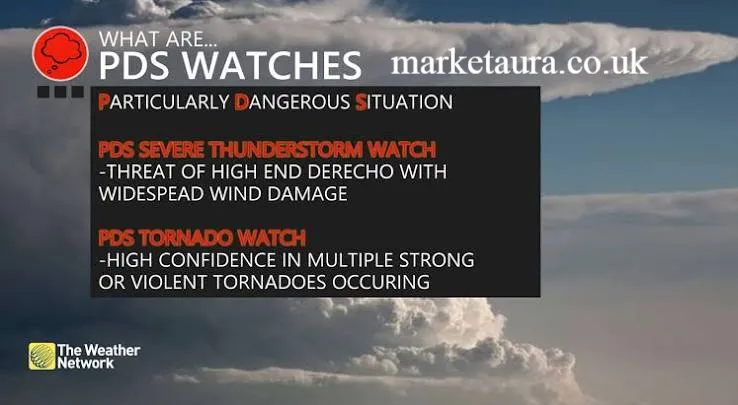
PDS stands for Particularly Dangerous Situation. That phrase alone should tell you this is not your average storm alert. The National Weather Service adds the PDS label when it expects storms to produce threats that go well beyond the typical severe thunderstorm. We are talking about potential for very large hail, extremely damaging winds, or even tornadoes embedded within thunderstorm cells.
A standard severe thunderstorm watch means conditions favor storms with hail at least one inch in diameter or wind gusts of 58 miles per hour or more. A PDS severe thunderstorm watch raises that bar significantly. Meteorologists issue this designation only when they believe the event has the potential to be genuinely life threatening and destructive on a large scale.
Think of it this way. A regular watch is a yellow flag. A PDS watch is a red flag waving at full speed.
Is a PDS Severe Thunderstorm Watch Dangerous?
Yes, a PDS severe thunderstorm watch is extremely dangerous. The threats associated with these events can include:
- Baseball-sized hail or larger
- Wind gusts exceeding 80 miles per hour
- Widespread structural damage to homes and vehicles
- Power outages lasting days
- Flash flooding in low-lying areas
- Embedded tornadoes that develop rapidly with little warning
PDS thunderstorm events have caused injuries, deaths, and billions of dollars in property damage across the United States. If you receive this alert, treat it with the same urgency you would treat a tornado watch. The storm potential is real and the margin for error is slim.
What Is the Difference Between a PDS Watch and a Warning?
This is one of the most common questions people ask and it is a fair one. Here is the key distinction you need to understand.
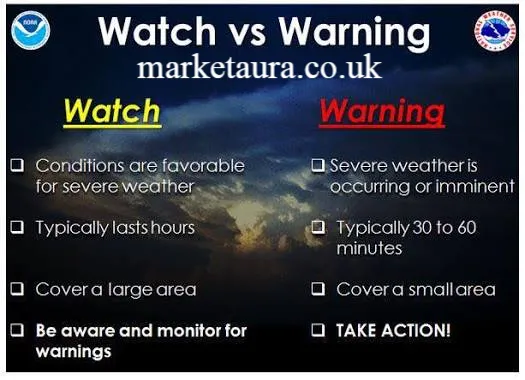
A watch means conditions are favorable for severe weather. It does not mean a storm is happening right now. It means the atmosphere is loaded and ready to produce dangerous storms within the next several hours. You have time to prepare, but you should not waste it.
A warning means a severe storm is already occurring or is imminent. Radar has confirmed the threat or a trained spotter has reported it on the ground. At that point, you need to act immediately.
A PDS severe thunderstorm watch falls into the watch category. However, it signals that if storms do develop, they could be far more intense and widespread than usual. Think of a PDS watch as the highest-alert version of storm preparation you can receive before things actually go wrong.
What Should You Do During a PDS Severe Thunderstorm Watch?
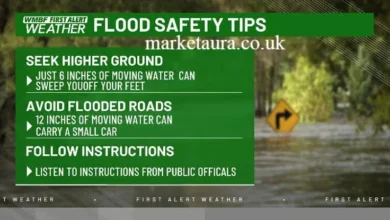
Taking action before a storm arrives is always smarter than scrambling when it is already on top of you. Here is what you should do when a PDS severe thunderstorm watch is issued for your area:
- Monitor weather updates constantly. Use a weather app, local news, or a NOAA weather radio to stay informed.
- Identify a safe shelter in your home. An interior room on the lowest floor away from windows is your best option.
- Charge your devices. Power outages are common during these events. Make sure your phone is fully charged.
- Move vehicles into a garage. Large hail can total a car in minutes.
- Secure outdoor furniture and objects. High winds can turn patio chairs and decorations into dangerous projectiles.
- Avoid travel if possible. Roads can become hazardous quickly as storms develop.
- Keep pets indoors. Bring all animals inside well before any storm arrives.
Remember, a PDS severe thunderstorm watch can upgrade to a tornado watch or spawn tornado warnings without much notice. Staying alert could genuinely save your life.
How Long Does a PDS Severe Thunderstorm Watch Last?
A PDS severe thunderstorm watch typically lasts between four and eight hours. The National Weather Service sets expiration times based on how long they expect the atmospheric conditions to remain favorable for dangerous storm development.
The watch covers a defined geographic area, usually several counties or an entire region across one or more states. Once the watch expires, the immediate threat level drops. However, you should always verify conditions with local forecasters before assuming you are completely in the clear.
States Most Affected by PDS Severe Thunderstorm Watches
Certain states fall inside what meteorologists call Tornado Alley and the broader severe weather corridor of the United States. These areas are particularly vulnerable to PDS severe thunderstorm watches every spring and early summer.
Texas
Texas is one of the most frequently affected states. The combination of Gulf moisture, dry air from the west, and strong wind shear creates ideal storm conditions almost every spring. Cities like Dallas, Fort Worth, and San Antonio have all experienced devastating PDS thunderstorm events.
Oklahoma
Oklahoma sits near the heart of the country’s severe weather zone. Residents here are no strangers to life-threatening storms. The state has some of the most active storm chasing communities in the world because the weather demands constant vigilance.
Kansas
Kansas sees explosive thunderstorm development frequently due to its flat terrain and exposure to clashing air masses. PDS watches in Kansas often cover large swaths of the state, affecting rural and urban communities alike.
Nebraska
Nebraska rounds out the Great Plains severe weather corridor. The state experiences powerful storms capable of producing very large hail and destructive straight-line winds. The Omaha metro area and the surrounding farmland have both suffered significant storm damage over the years.
Missouri
Missouri bridges the gap between the Great Plains and the Midwest, making it a frequent target for dangerous thunderstorm activity. The St. Louis region and the Ozarks area can experience intense storms that arrive with very little warning.
Conclusion
A PDS severe thunderstorm watch is not something to scroll past and forget. It is a serious alert that demands your attention and preparation. Now that you understand what PDS means, how it differs from a warning, and which states are most at risk, you are better equipped to respond calmly and smartly when one is issued in your area.
The best thing you can do is prepare before the storm season peaks. Have a plan. Know your shelter. Keep your emergency kit ready. Storms do not wait for anyone to catch up.
Have you ever experienced a PDS severe thunderstorm watch in your area? Share your experience and help others learn what to expect.
Frequently Asked Questions
1. What does PDS stand for in weather alerts?
PDS stands for Particularly Dangerous Situation. It signals that severe weather conditions are expected to be significantly more intense than usual.
2. Is a PDS severe thunderstorm watch the same as a tornado watch?
No, they are different alerts. A PDS severe thunderstorm watch focuses on extreme thunderstorm threats. However, a tornado watch may be issued separately if conditions also favor tornado development.
3. How often are PDS severe thunderstorm watches issued?
They are relatively rare compared to standard severe thunderstorm watches. The NWS reserves this designation for only the most threatening setups.
4. Can a PDS severe thunderstorm watch include a tornado threat?
Yes. PDS thunderstorms can contain embedded tornadoes, especially in highly unstable atmospheric setups.
5. Should I evacuate during a PDS severe thunderstorm watch?
Evacuation is generally not required for thunderstorm watches. However, you should shelter in place in a safe interior location if storms develop nearby.
6. What is the biggest threat during a PDS severe thunderstorm?
Large hail and extreme wind gusts are the primary threats, though flooding and embedded tornadoes are also significant dangers.
7. What is a NOAA weather radio and should I have one?
A NOAA weather radio is a dedicated device that broadcasts official National Weather Service alerts. It is highly recommended for households in storm-prone regions.
8. Can PDS severe thunderstorm watches occur outside the spring season?
Yes. While spring is peak season, PDS events have occurred in summer and even late fall, especially across the southern United States.
9. What is the difference between a watch and an advisory?
A watch signals conditions are favorable for severe weather. An advisory indicates less severe conditions that are still potentially hazardous and disruptive.
10. How do I receive a PDS severe thunderstorm watch alert?
You can receive alerts through your smartphone’s emergency alert system, weather apps, NOAA weather radio, and local television and radio broadcasts.
Author Bio: James R. Mitchell is a weather enthusiast and content writer with over eight years of experience covering severe weather safety and meteorological events across the United States. He is passionate about making complex weather information easy to understand for everyday readers. When he is not writing, James enjoys storm tracking and educating communities on emergency preparedness.
email: johanharwen@314gmail.com
Author Name: James R. Mitchell