


Introduction
As energy costs continue to rise and more homeowners look for sustainable power solutions, wind turbines for home use are becoming an increasingly popular option in 2026. A small residential wind turbine can help reduce electricity bills, provide clean renewable energy, and offer greater energy independence. But is installing a home wind turbine really worth the investment?
In this complete guide, we will explore how home wind turbines work, their costs, benefits, limitations, installation requirements, and potential savings. Whether you live in a windy rural area or simply want to explore alternative energy options, this article will help you understand if a wind turbine for home is the right choice for your energy needs in 2026.
What Is A Wind Turbine For Home Use
A home wind turbine is a small scale system designed to generate electricity for a single property. It works on the same basic principle as large wind farms, just on a much smaller level.
Wind spins the blades. The blades turn a rotor. The rotor powers a generator. That generator produces electricity you can use right away or store in batteries.
Most residential turbines fall into one of two categories:
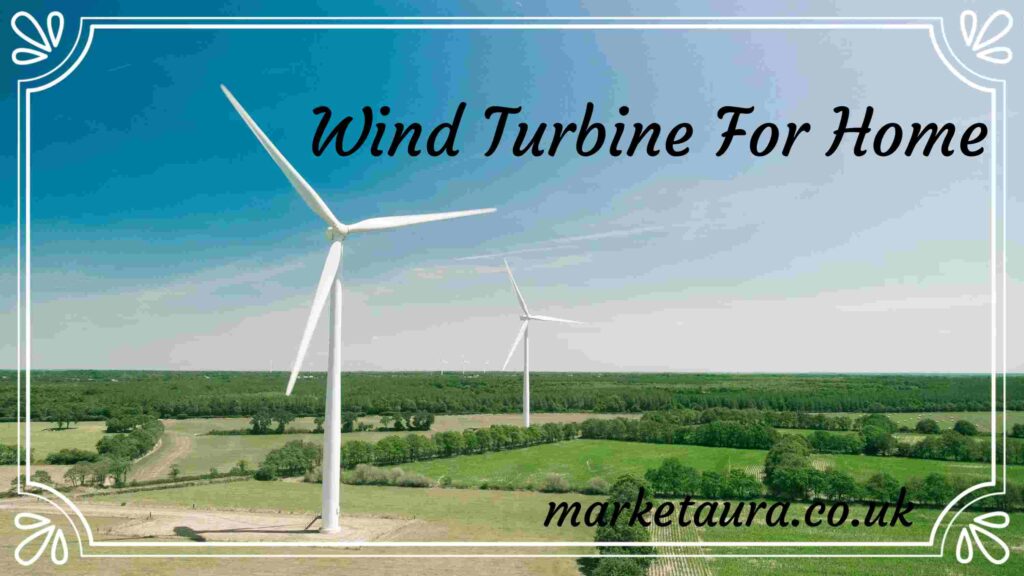
- Horizontal axis turbines, which look like small versions of commercial wind farms.
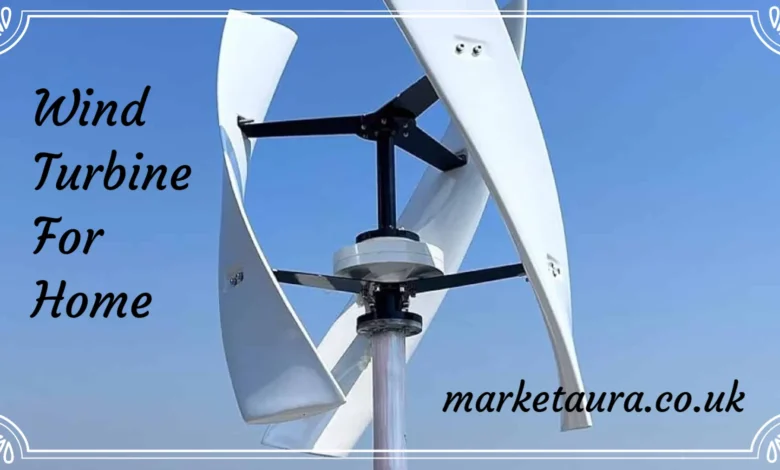
- Vertical axis turbines, which spin around a central pole and handle turbulent wind better.
Each type has its own strengths depending on your roof shape, yard size, and local wind patterns.
How Does A Residential Wind Turbine Work
Understanding the basics helps you set realistic expectations. A residential wind turbine converts kinetic energy from moving air into electrical energy.
The Core Components
Every home wind turbine system includes a few essential parts:
- Blades, which capture wind energy and start the rotation.
- A generator, which converts that rotation into electricity.
- A tower or mount, which lifts the turbine to catch stronger winds.
- An inverter, which converts the electricity into a usable form for your home.
- A battery bank, optional but useful for storing extra power.
Wind Speed Matters More Than You Think
Wind turbines need a minimum wind speed to start spinning efficiently. Most residential models require an average wind speed of at least nine to eleven miles per hour to perform well.
If your area rarely sees winds above five or six miles per hour, a turbine probably will not generate much power. This is one reason why location plays such a huge role in your final decision.
Benefits Of Installing A Wind Turbine At Home
Let us look at why so many homeowners consider this option in the first place.
Lower Electricity Bills
Once installed, a wind turbine can significantly reduce your dependence on the grid. Some homeowners report cutting their electricity bills by thirty to fifty percent, depending on wind conditions and system size.
A Renewable, Clean Energy Source
Wind energy produces no emissions during operation. For anyone trying to reduce their environmental footprint, this feels like a meaningful step.
Energy Independence
A wind turbine paired with battery storage can keep your essential appliances running during power outages. This adds a layer of security, especially in areas with frequent storms.
Long Term Investment
Although the upfront cost is high, a well maintained turbine can last twenty years or more. Over time, the energy savings can offset the initial investment.
Downsides You Should Know Before Buying
No guide would be complete without an honest look at the challenges. A wind turbine for home use is not perfect for everyone.
High Upfront Costs
Residential wind turbines typically cost between three thousand and forty thousand dollars, depending on size, brand, and installation requirements. Larger systems with towers and battery storage push costs even higher.
Zoning And Permit Restrictions
Many neighborhoods have rules about tower height, noise levels, and visual impact. Before buying anything, check with your local zoning office.
Inconsistent Wind Conditions
Not every location gets steady wind. If your property sits in a valley or surrounded by tall trees and buildings, turbulence can reduce performance significantly.
Noise And Maintenance
Some turbines produce a humming or whirring sound, especially in strong winds. Regular maintenance, including blade inspections and lubrication, is also necessary to keep the system running smoothly. SOURCE: Sciencestore.pk
Is Your Home Suitable For A Wind Turbine
Before you invest, you need to evaluate a few key factors.
Check Your Average Wind Speed
Look up local wind maps or use a small anemometer to measure wind speeds on your property over a few weeks. This gives you a realistic picture of potential energy output.
Assess Your Available Space
Horizontal axis turbines often require a tall tower, sometimes thirty feet or higher, placed away from obstructions. Vertical axis turbines need less clearance but still require open space.
Review Local Regulations
Some areas restrict turbine height or require a permit. A quick call to your local building department can save you a lot of frustration later.
I once spoke with a homeowner who installed a turbine without checking local rules first. He ended up paying fines and removing the structure within a year. A simple phone call could have prevented that entire headache.
How Much Does A Wind Turbine For Home Use Cost
Costs vary widely depending on the system you choose. Here is a general breakdown:
- Small turbines, producing under one kilowatt, often range from one thousand to three thousand dollars.
- Medium turbines, producing one to ten kilowatts, typically cost between six thousand and twenty thousand dollars.
- Larger residential systems can reach forty thousand dollars or more once you include installation, towers, and battery storage.
Additional Costs To Consider
- Professional installation fees.
- Permits and inspections.
- Maintenance and occasional part replacements.
- Battery storage systems, if you want backup power.
Many regions also offer tax credits or rebates for renewable energy systems, which can offset a portion of these costs.
Wind Turbine Versus Solar Panels For Home Energy
This comparison comes up often, so let us break it down simply.
| Feature | Wind Turbine | Solar Panels |
|---|---|---|
| Best Conditions | Open, windy areas | Sunny areas with clear roof space |
| Noise | Some noise during operation | Silent |
| Maintenance | Moderate, includes mechanical parts | Low, mostly cleaning |
| Space Needed | Tower and clearance | Roof or ground space |
| Output Consistency | Depends on wind patterns | Depends on sunlight hours |
For many homeowners, combining both technologies offers the most reliable year round energy production. Wind often performs well at night or during cloudy days, while solar fills the gaps during sunny periods.
Tips For Choosing The Right Wind Turbine For Your Home
Picking the right system can feel overwhelming, but these tips simplify the process.
- Start with a wind assessment to understand your property’s potential.
- Choose a reputable manufacturer with strong warranties.
- Match the turbine size to your actual energy needs, not just your budget.
- Hire a certified installer to ensure safety and compliance.
- Plan for maintenance from day one, not as an afterthought.
Taking these steps early can save you thousands of dollars and a lot of stress down the road.
Maintenance Tips To Keep Your Turbine Running Smoothly
Once installed, regular care keeps your system efficient and safe.
- Inspect blades every few months for cracks or wear.
- Check bolts and connections for tightness.
- Clean sensors and monitoring equipment regularly.
- Schedule a professional inspection once a year.
A little routine maintenance goes a long way toward avoiding costly repairs later.
Conclusion
A wind turbine for home use can be a smart investment if your property has strong, consistent wind and enough space for installation. It offers lower bills, energy independence, and a cleaner footprint over time. However, the high upfront cost, zoning restrictions, and unpredictable wind conditions mean it is not the right choice for everyone.
Before making a final decision, take time to assess your wind speed, check local regulations, and compare costs against alternatives like solar panels. Doing your homework now can save you money and frustration later.
Have you considered installing a wind turbine at home? Share your thoughts or questions in the comments, and feel free to pass this guide along to anyone exploring renewable energy options for their property.
Frequently Asked Questions
How much energy can a home wind turbine produce? Output depends on wind speed and turbine size, but a typical residential system can produce anywhere from a few hundred to several thousand kilowatt hours per month.
Do I need a permit to install a wind turbine at home? In most areas, yes. Local zoning laws often regulate tower height, noise, and placement, so check with your building department first.
Is a wind turbine for home use worth the investment? It depends on your location. If you have consistent strong winds and enough space, it can pay off over time through reduced electricity bills.
How loud is a residential wind turbine? Noise levels vary by model, but many modern turbines operate at a low hum that becomes less noticeable from a distance.
Can a wind turbine work alongside solar panels? Yes. Many homeowners combine both systems for more consistent energy production throughout the year.
How long does a home wind turbine last? With proper maintenance, most turbines last twenty to twenty five years.
What is the minimum wind speed needed for a home turbine? Most systems need average wind speeds of around nine to eleven miles per hour to perform efficiently.
Do wind turbines work during power outages? Yes, especially when paired with a battery storage system, allowing essential appliances to keep running.
also read: marketaura.co.uk
email: johanharwen@314gmail.com
Author Name: Ali Harwen
About The Author : Ali Harwen is Our writer focuses on practical guides for homeowners exploring renewable energy options. With a passion for sustainable living and a habit of digging into real world costs and outcomes, the author aims to help readers make informed decisions without the marketing fluff.